

Frequently asked questions about osmosis
In this section, we answer the most frequently asked questions about domestic osmosis: how it works, its benefits, how it is installed, and what maintenance it requires. Find all the information here to enjoy cleaner and safer water in your home.

DOMESTIC OSMOSIS
What is a domestic osmosis system and what is it for?
A domestic osmosis system is a water filtration device that uses a semipermeable membrane to remove chlorine, scale, sediments, heavy metals, and up to 95% of the dissolved solids present in tap water. Its purpose is to provide cleaner, lighter, and better-tasting water directly at home, without the need for bottled water.
How does reverse osmosis work at home?
The reverse osmosis process is based on passing tap water through several filtration stages, including sediments, activated carbon, and a special membrane. The membrane retains unwanted particles and allows only water molecules to pass through, removing impurities and improving taste. The result is clean and safe water, ideal for drinking, cooking, and preparing food.
What substances does reverse osmosis remove?
Reverse osmosis removes chlorine, scale, pesticides, nitrates, traces of heavy metals such as lead or mercury, as well as microorganisms and bacteria present in the water. Thanks to its filters and membrane, it provides much safer water for human consumption with a quality far superior to unfiltered tap water.
What is the difference between reverse osmosis and other water filters?
Conventional water filters, such as activated carbon filters, improve taste and odor but do not remove dissolved solids or smaller contaminants. Reverse osmosis, on the other hand, combines different filtration stages with a semipermeable membrane that removes up to 95% of impurities, providing much more complete protection and higher purity water.
Is the water obtained through osmosis safe for the whole family?
Yes, osmosis water is completely safe for human consumption, including for babies and the elderly. By removing chlorine, scale, and contaminants, it improves digestion and makes food and drinks taste better. Additionally, it reduces exposure to unwanted chemicals present in tap water.
Why install osmosis instead of buying bottled water?
Domestic osmosis provides superior quality water directly at home, avoiding the need to carry bottles, generating cost savings, and reducing plastic use. Additionally, having pure water available at the tap at all times offers convenience and sustainability, contributing to a healthier lifestyle and a more environmentally friendly approach.
WATER SOFTENERS
Where can a domestic osmosis system be installed?
Osmosis systems are usually installed under the kitchen sink, connected to the water supply and with a dedicated faucet for purified water. Some models can also be adapted for offices or small spaces, thanks to their compact design. Installation does not require major work and is quick for a specialized technician.
Does installing an osmosis system require construction work at home?
No, installing an osmosis system is simple and does not require renovations. It connects directly to the water supply and to an additional faucet installed in the sink. In some direct-flow models, a storage tank is not even required, which saves space and simplifies the setup.
What type of faucet is used with reverse osmosis?
Osmosis systems include a dedicated faucet for purified water, installed alongside the regular kitchen faucet. In advanced models, this faucet can be smart and include LED indicators showing the system status, maintenance alerts, and water quality in real time.
Is it complicated to use a domestic osmosis system?
No, its use is very simple. Once installed, just open the dedicated faucet to have purified water instantly. Modern direct-flow models eliminate the storage tank, providing a continuous supply, while systems with a tank ensure water is always ready when you need it.
Can I install an osmosis system in any home?
Yes, most homes can have an osmosis system as long as they have a water connection and space under the sink. However, it is important to check the water pressure and incoming water quality to ensure proper operation. At Sata Manteniments, we perform this assessment before each installation to guarantee the best results.
TECHNICAL SERVICE
How often should I change the filters in my osmosis system?
Osmosis filters should be replaced approximately every 6–12 months, depending on the quality of the incoming water and system usage. Keeping the filters in good condition ensures effective removal of chlorine, sediments, and other impurities. At Sata Manteniments, we offer maintenance plans so you never have to worry about replacement schedules.
When should the reverse osmosis membrane be replaced?
The membrane usually has a lifespan of 2 to 3 years, although it can vary depending on water hardness and usage. Over time, its filtration capacity decreases, reducing water purity. Professional maintenance can determine when it needs to be replaced to ensure optimal performance.
What happens if I don’t maintain my osmosis system?
If replacements are not carried out on time, the filters become saturated and lose effectiveness, the membrane gets damaged, and the water is no longer safe for consumption. Additionally, the risk of leaks and breakdowns increases, which can make repairs more expensive. Proper maintenance ensures the highest water quality and extends the system’s lifespan.
Can I change the osmosis filters myself or do I need a technician?
Some experienced users can replace the filters themselves, but it is always recommended to have a specialized technician. This ensures that the replacements are appropriate and also checks connections, pressure, and the overall condition of the system. At Sata Manteniments, we offer professional service and maintenance subscription for added convenience.
What are the advantages of subscribing to a maintenance service?
Subscription-based maintenance allows you to forget about schedules and replacements. A technical team takes care of replacing filters and membranes on time, checking the installation, and ensuring the highest water quality. Additionally, it is more cost-effective than occasional replacements and prevents expensive breakdowns, providing peace of mind and convenience for the user.
WATER TREATMENTS
Is osmosis water safe to drink daily?
Yes, osmosis water is completely safe for daily consumption. Thanks to its multi-stage filtration and reverse membrane, it removes chlorine, scale, bacteria, and chemical contaminants. This makes it a healthier option than conventional tap water, maintaining proper hydration and improving the taste of drinks and food prepared at home.
Does osmosis water retain essential minerals?
During the reverse osmosis process, most minerals are removed along with impurities. However, the body obtains the necessary minerals mainly through diet. Some models include remineralizing post-filters to improve water balance, providing calcium and magnesium in a controlled way.
Is osmosis water recommended for babies and the elderly?
Osmosis water is very suitable for babies, children, and the elderly, as it reduces exposure to chemicals, heavy metals, and bacteria present in tap water. Its light taste makes hydration easier and prevents young children from refusing to drink water. It is a safer alternative compared to bottled water, which can contain microplastics.
What is the difference between osmosis water and mineral water?
Bottled mineral water comes from springs and may contain a high level of minerals, not always suitable for all consumers. Osmosis water, on the other hand, is filtered at home and ensures consistent purity by removing impurities and unwanted substances. Additionally, it is more economical, reduces plastic waste, and provides unlimited availability at home.
Does osmosis water help improve health?
Consuming osmosis water contributes to overall well-being by reducing the intake of chlorine, pesticides, nitrates, and heavy metals that may be present in tap water. Additionally, its cleaner taste encourages increased water consumption, promoting hydration and the elimination of toxins from the body. Daily use also improves the preparation of teas, coffees, and meals.
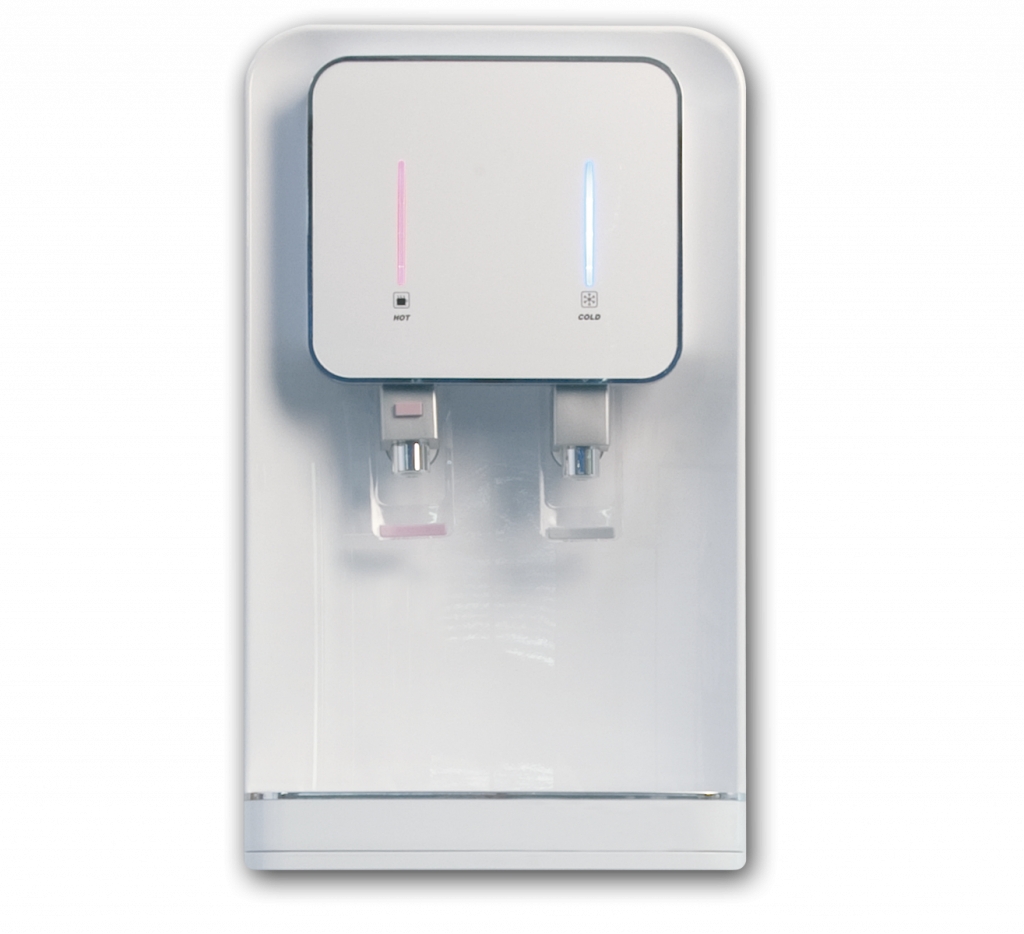


Do you want to improve the water quality in your home or office?
At Sata Manteniments, we specialize in domestic osmosis, water softeners, and water purifiers. We advise you on choosing the right equipment, carry out the installation, and take care of the maintenance so you can enjoy cleaner, chlorine-free water with complete comfort.
At Sata Manteniments, we specialize in domestic osmosis, water softeners, and water purifiers. We advise you on choosing the right equipment, carry out the installation, and take care of the maintenance so you can enjoy cleaner, chlorine-free water with complete comfort.


